
Why Is My Child Grinding Their Teeth at Night?
Hearing your child grind their teeth at night can be unsettling, especially when the sound is loud enough to wake you up. You may wonder whether they're damaging their teeth, whether something is wrong with their sleep, or whether you should be doing something to stop it.
The good news is that teeth grinding, also called bruxism, is relatively common in children. In many cases, it is temporary and may decrease as a child's mouth, jaw, and bite continue to develop. However, frequent or persistent grinding can sometimes lead to noticeable tooth wear or occur alongside other concerns that are worth discussing with a dentist.
At Sustainable Smiles in Pleasanton, Dr. Young, Dr. Ta and our team can evaluate your child's teeth, ask about their sleep and habits, and help you understand whether their grinding simply needs to be monitored or deserves a closer look.
Key Takeaways
- Teeth grinding, or bruxism, is common during childhood and may be temporary.
- Changes in the developing teeth and jaw can contribute to grinding, particularly during periods of dental development.
- Stress, changes in sleep, and certain airway or breathing concerns may also play a role.
- Frequent grinding can cause tooth wear, jaw discomfort, or other symptoms that should be evaluated.
- A dentist can look for signs of tooth wear and monitor changes over time during regular checkups.
- Parents can help by observing when grinding occurs and noting other symptoms, such as headaches, jaw soreness, snoring, or mouth breathing.
- An evaluation does not necessarily mean your child needs treatment. In many cases, monitoring is the appropriate approach.
Why Do Children Grind Their Teeth?
Bruxism refers to clenching or grinding the teeth. It can happen during the day, but nighttime grinding is particularly common in children because they may not be aware that they are doing it.
There isn't always one clear reason a child grinds their teeth. Childhood is a period of constant change, and the teeth, jaw, and bite are developing throughout these years. Grinding may occur during periods when baby teeth are coming in or when permanent teeth begin to replace them.
Other factors may also contribute, including:
- Stress or changes in a child's routine
- Sleep disruptions or changes in sleep patterns
- Mouth breathing or other airway-related concerns
- Changes in the developing bite
- Certain habits or behaviors that involve clenching the jaw
For many children, occasional grinding isn't a sign that something is seriously wrong. It may decrease as they grow and their oral development progresses.
That doesn't mean parents should ignore persistent grinding, though. Paying attention to how often it happens and whether other symptoms are present can help your child's dentist determine whether anything needs to be addressed.
When Is Teeth Grinding a Concern?
The occasional sound of your child grinding their teeth doesn't necessarily mean they need treatment. In younger children especially, bruxism may resolve without intervention.
The bigger question is whether the grinding is frequent, persistent, or accompanied by other signs.
It's worth bringing up with your child's dentist if you notice:
- Grinding that happens frequently or seems particularly forceful
- Flattening, chipping, or visible wear on the teeth
- Jaw soreness or tenderness
- Headaches, particularly in the morning
- Facial discomfort
- Difficulty sleeping or frequent nighttime waking
- Snoring or regular mouth breathing
These symptoms don't necessarily mean that grinding is causing a serious problem. They simply provide useful information for your child's dental team.
Snoring, mouth breathing, and restless sleep can be particularly important to mention because they may point to an issue involving breathing during sleep. A dentist cannot diagnose every sleep-related condition, but they can recognize signs that may warrant further discussion with your child's pediatrician or another appropriate provider.
The goal isn't to assume that every case of bruxism needs treatment. It's to understand what is happening and determine whether monitoring is enough or whether further evaluation makes sense.
What Will the Dentist Look For?
If you've noticed your child grinding their teeth, their dental evaluation will typically start with a close look at their teeth and mouth.
One of the main things the dentist will assess is tooth wear. Grinding can create distinctive wear patterns on the biting surfaces of the teeth. Comparing those areas over time can also help determine whether the wear is staying stable or progressing.
The dentist may also look at:
- The condition of the enamel and tooth surfaces
- Signs of chipping or flattening
- The child's developing bite
- The jaw and surrounding muscles
- Oral habits that may contribute to clenching or grinding
Your observations are an important part of the evaluation, too. Children often don't know that they're grinding while asleep, so parents may notice things that aren't obvious during a daytime appointment.
Be prepared to share what you've heard or observed, including how frequently the grinding occurs and whether you've noticed changes in your child's sleep or behavior.
The good news is that an evaluation doesn't automatically lead to treatment. If your child's teeth look healthy and there are no concerning symptoms, your dentist may simply recommend continuing to monitor the grinding during regular visits.
Why Regular Dental Visits Matter
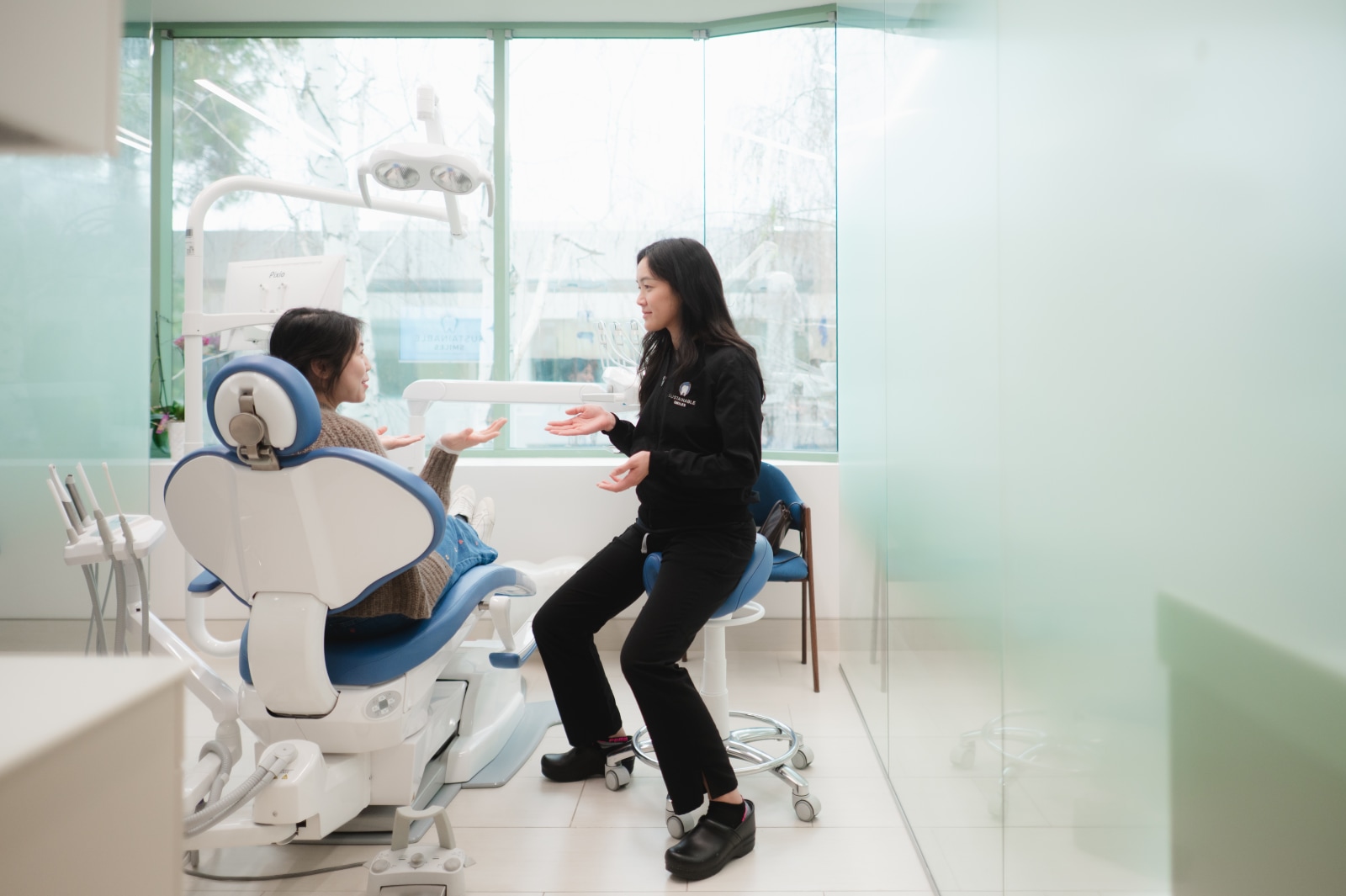
When a child is grinding their teeth, one appointment can provide useful information, but watching what happens over time can be even more valuable.
Regular dental visits allow the dentist to compare the condition of your child's teeth from one appointment to the next. They can monitor whether areas of wear are staying the same, whether new changes are developing, and how your child's bite is changing as they grow.
This is particularly helpful during childhood because the mouth isn't static. Baby teeth are lost, permanent teeth erupt, and the jaw continues to develop. What looks normal at one stage may change as your child grows.
For many children, regular checkups provide exactly what is needed: observation without unnecessary intervention. If your child's dentist notices something that requires additional attention, you can then discuss what those findings mean and what options may be appropriate.
What Can Parents Do at Home?
If you hear your child grinding at night, it's understandable to want to do something immediately. In most cases, though, the first step is observation rather than trying to stop the behavior yourself.
Pay attention to when and how often the grinding occurs. You may notice that it becomes more noticeable during periods of stress, changes in routine, or disrupted sleep. Make a note of anything else you observe, such as snoring, mouth breathing, morning headaches, or complaints of jaw soreness.
A consistent bedtime routine can also support healthy sleep habits. Keeping bedtime predictable and allowing your child enough time to wind down can be helpful, particularly when changes in routine seem to coincide with more noticeable grinding.
It's also best not to purchase a mouthguard for your child without first talking with their dentist. Children's mouths and jaws are still developing, so any dental appliance should be appropriately evaluated and fitted for their individual needs.
Most importantly, don't blame yourself or your child. Teeth grinding can have multiple contributing factors, and it isn't necessarily the result of something you or your child did wrong. You don't need to diagnose the cause at home, but it is of great help when parents notice what's happening and share those observations with the child's dental team.
Does My Child Need Treatment for Teeth Grinding?
Not necessarily. This is one of the most important things for parents to understand. Finding out that your child grinds their teeth doesn't automatically mean they need a dental appliance, medication, or another form of treatment.
For some children, especially those who are young and don't have signs of tooth damage or discomfort, the appropriate approach may simply be to monitor their development.
If the dentist finds significant tooth wear, jaw discomfort, or other concerns, they can discuss whether additional evaluation or treatment is appropriate.
The right approach depends on your child's age, dental development, symptoms, and overall situation. That's why an individual evaluation is more useful than trying to determine from the sound of grinding alone whether something needs to be done.
When Should I Call My Child's Dentist?
If you've only occasionally heard your child grind their teeth and they have no other symptoms, you can bring it up at their next routine appointment.
If the grinding is frequent, worsening, or accompanied by tooth damage, jaw pain, headaches, snoring, mouth breathing, or disrupted sleep, it's reasonable to contact your child's dental office sooner. You don't need to wait until you're certain that something is wrong. That's what the dental visit is for.
At Sustainable Smiles, our team can take a closer look at your child's teeth and development, listen to what you've noticed at home, and help you understand whether the grinding needs attention or simply continued monitoring.
A Dental Checkup Can Help You Stop Guessing

Hearing your child grind their teeth at night can leave you with plenty of questions, but you don't have to figure out what it means on your own.
A dental evaluation gives you a chance to understand what is happening with your child's teeth, look for signs of wear, and discuss anything else you've noticed about their sleep or behavior. In many cases, the answer may simply be to keep monitoring as your child grows. If something does need attention, identifying it gives you an opportunity to address it thoughtfully.
If you're in Pleasanton and have questions about your child's teeth grinding, Sustainable Smiles is here to help. Schedule a visit with Dr. Young, Dr. Ta and our team or call (925) 223-6027 to talk through your concerns and determine the right next step for your child.
